From First Appointment to Final Reveal: Your Realistic Smile Makeover Timeline
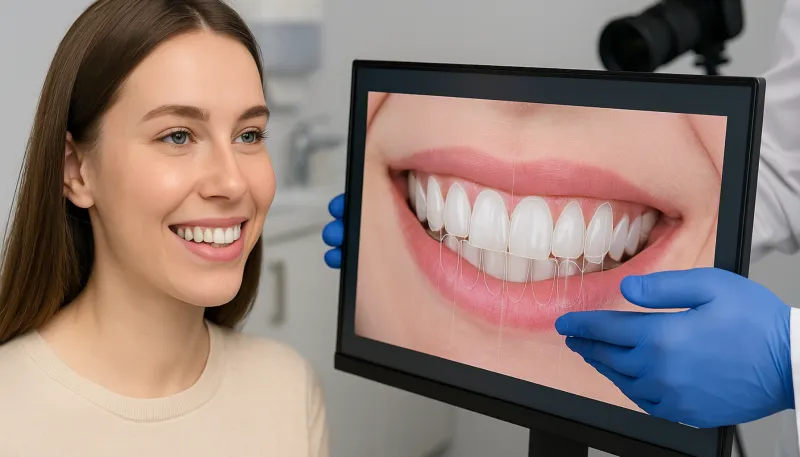
Photo: dental consultation patient looking at digital smile preview screen, via images.surferseo.art
Here's something nobody tells you when you start researching smile enhancements: the before-and-after photos you see online? Those represent months of work, not a weekend project. And that's completely okay—but it's worth knowing upfront so you can set realistic expectations and actually enjoy the process instead of feeling frustrated by it.
Whether you're eyeing a single treatment or a full combination approach, understanding the timeline is one of the most practical things you can do before you ever sit down in a dental chair. So let's walk through what really happens, from your very first call to the moment you see your finished smile.
Week One: The Consultation (It's More Than a Sales Pitch)
Your smile makeover starts with a conversation, not a drill. A thorough initial consultation typically runs anywhere from 45 minutes to over an hour, and a good provider will use that time to do a lot more than show you before-and-after photos.
Expect a full oral health assessment, digital imaging, and possibly X-rays. Some studios use 3D scanning technology or digital smile design tools to give you a visual preview of potential outcomes. This appointment is also where you'll talk through your goals, your timeline preferences, your budget, and any concerns you have about specific procedures.
If anything needs to be addressed before cosmetic work can begin—like a cavity, gum inflammation, or bite issues—that'll come up here too. Don't skip this step or rush through it. The consultation sets the foundation for everything that follows.
Weeks Two Through Four: The Planning Phase
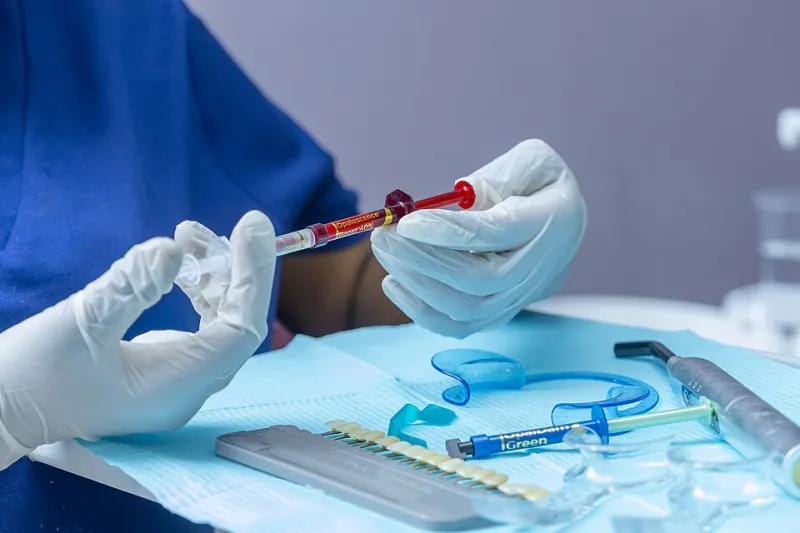
Once your provider has a full picture of your oral health and your goals, a treatment plan gets mapped out. This phase can feel a little quiet from your end, but a lot is happening behind the scenes—lab work, material selection, scheduling coordination, and in some cases, ordering custom materials like porcelain veneers or aligner trays.
If your plan involves multiple treatments, this is when the sequencing gets figured out. Teeth whitening, for example, is almost always done before veneers are placed, since the shade of your natural teeth affects how your restorations are color-matched. Orthodontic work, if needed, happens before any cosmetic restorations. The order matters, and a skilled provider will map it all out before any treatment begins.
The Treatment Phase: Where the Real Work Happens
This is the part that varies the most depending on what you're having done. Here's a general breakdown:
Teeth whitening: One to three in-office sessions, each lasting about an hour. Results show up fast, though some sensitivity is common in the days after.
Veneers: Typically two to three appointments spread over two to four weeks. The first visit involves tooth preparation and impressions (or digital scans); the second is the actual placement. Some practices offer same-day options with in-house milling technology, but traditional porcelain veneers require lab fabrication time.
Dental bonding: Often completed in a single visit. It's one of the faster options for minor shape or color corrections.
Clear aligner treatment: This one's the long game—anywhere from three months for minor cases to 18-plus months for more complex alignment work. Patients wear a series of trays and check in with their provider every six to eight weeks.
Combination treatments: If you're doing whitening plus veneers plus some gum contouring, you're probably looking at a two-to-six month timeline, sometimes longer. These cases require careful staging and patience.
Between Appointments: What You're Actually Doing
The time between visits isn't downtime—it's active recovery and maintenance. Depending on your treatment, you might be wearing temporary veneers, adjusting to new aligner trays, managing post-whitening sensitivity, or following a specific diet to protect your investment.
Your provider will give you care instructions, and it's worth following them closely. Skipping steps between appointments can delay your progress or affect your final results. Keep those follow-up appointments too—they exist for a reason.
The Final Appointment: More Than Just a Check
When your last treatment is complete, you'll have a final review appointment. This is where adjustments get made, bite is checked, and your provider confirms everything looks and feels right. Don't be shy about speaking up if something seems off—this is your chance to fine-tune before you walk out the door.
After the Reveal: The Long Game
Your smile makeover doesn't end when the treatments do. Maintaining your results takes some ongoing effort—good at-home hygiene, regular professional cleanings, and in some cases, periodic touch-ups (especially with whitening). Veneers and bonding can last a decade or more with proper care. Aligners are followed by retainers to keep teeth in their new positions.
Think of your smile as something you maintain, not something you finish. The investment you make upfront is absolutely worth protecting.
So, How Long Does It Actually Take?
For a single treatment like whitening or bonding, you could see final results in a week or two. For a full smile makeover with multiple procedures, six months is a reasonable general estimate—though complex cases can run longer.
The biggest factor isn't the treatments themselves; it's how well the planning phase sets everything up. A provider who takes the time to sequence your treatments properly and communicate clearly about what's ahead will save you time, money, and a lot of second-guessing.
Your dream smile is absolutely achievable. It just takes a little patience—and knowing what's coming makes all the difference.